Anti-CD3, AlpHcAbs® Human antibody

Anti-CD3, AlpHcAbs® Human antibody
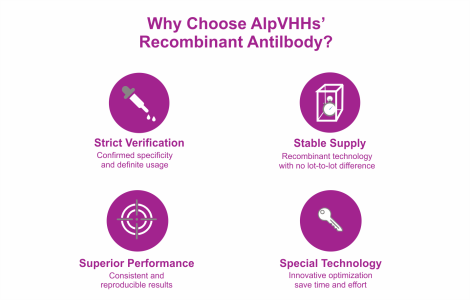

Details and Advantages

Code: 300-562-001

Specification:

Applications: ELISA,Flow Cyt

Reactivity: Human

Conjugate: Unconjugated

Advantages:

High lot-to-lot consistency Increased sensitivity and higher affinity Animal-free production

Product Detail

Product Detail

Description:
Anti-CD3, AlpHcAbs® Human antibody is designed for detecting human CD3 specifically. Based on ELISA and/or FCM, Anti-CD3, AlpHcAbs® Human antibody reacts with human CD3 specifically.

Immunogen: Recombinant human CD3
Host: Alpaca pacous
Isotype: Human IgG1
Conjugate: Unconjugated
Specificity: Human CD3
Purity: Recombinant Expression and Affinity purified
Concentration: 1mg/ml
Formation: Liquid, 10mM PBS (pH 7.5), 0.05% sucrose, 0.1% trehalose, 0.01% proclin300, 50% Glycerol
Storage: Store at –20 °C, (Avoid freeze / thaw cycles)

Background:
The CD3 subunit complex which is crucial in transducing antigen-recognition signals into the cytoplasm of T cells and in regulating the cell surface expression of the TCR complex. T cell activation through the antigen receptor (TCR) involves the cytoplasmic tails of the CD3 subunits CD3 gamma, CD3 delta, CD3 epsilon and CD3 zeta. These CD3 subunits are structurally related members of the immunoglobulins super family encoded by closely linked genes on human chromosome 11. The CD3 components have long cytoplasmic tails that associate with cytoplasmic signal transduction molecules and this association is mediated at least in part by a double tyrosine-based motif present in a single copy in the CD3 subunits. CD3 may play a role in TCR-induced growth arrest, cell survival and proliferation. The CD3 antigen is present on 68-82% of normal peripheral blood lymphocytes, 65-85% of thymocytes and Purkinje cells in the cerebellum. It is never expressed on B or NK cells. Decreased percentages of T lymphocytes may be observed in some autoimmune diseases. The genes encoding the CD3 epsilon, gamma and delta polypeptides are located on chromosome 11. Defects in the CD3 gene are associated with CD3 immunodeficiency.

FAQ

Citations

Related Products

Consult

Contact

Telephone:

+86 138 8067 6215

Address:

Building 16, No.99 Haiwang Road, Wenjiang, Chengdu, China 611130