Anti-INSR, AlpHcAbs® Human antibody

Anti-INSR, AlpHcAbs® Human antibody

Details and Advantages

Code: 300-678-001

Specification:

Applications: ELISA,Flow Cyt

Reactivity: Human

Conjugate: Unconjugated

Advantages:

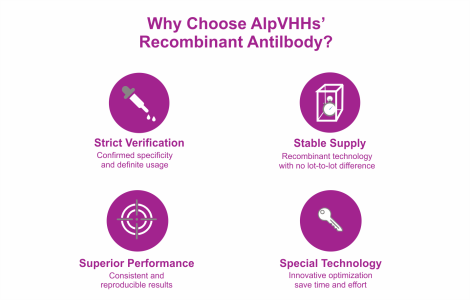
High lot-to-lot consistency Increased sensitivity and higher affinity Animal-free production

Product Detail

Product Detail

Description:
Anti-INSR, AlpHcAbs® Human antibody is designed for detecting human INSR specifically. Based on ELISA and/or FCM, Anti-INSR, AlpHcAbs® Human antibody reacts with human INSR specifically.

Immunogen: Recombinant human INSR
Host: Alpaca pacous
Isotype: Human IgG1
Conjugate: Unconjugated
Specificity: Human INSR
Purity: Recombinant Expression and Affinity purified
Concentration: 1mg/ml
Formation: Liquid, 10mM PBS (pH 7.5), 0.05% sucrose, 0.1% trehalose, 0.01% proclin300, 50% Glycerol
Storage: Store at –20 °C, (Avoid freeze / thaw cycles)

Background:
INSR (insulin receptor, IR) is a heterodimeric protein complex that has an intracellular beta subunit and an extracellular alpha subunit, which is disulfide- linked to a transmembrane segment. The insulin ligand binds to the IR and initiates molecular signaling pathways that promote glucose uptake in cells and glycogen synthesis. Insulin binding to IR induces phosphorylation of intracellular tyrosine kinase domains and recruitment of multiple SH2 and SH3 domain-containing intracellular proteins that serve as signaling intermediates for pleiotropic effects of insulin. INSR and IGF-1 receptors share major structural and functional similarity. The earliest cellular response to insulin stimulation is autophosphorylation of tyrosine in INSR. In humans, the INSR gene is located on chromosome 19. Defects in INSR are the cause of various insulin resistance syndromes and IGF-1R defects may also cause some forms of growth retardation.

FAQ

Citations

Related Products

Consult

Contact

Telephone:

+86 138 8067 6215

Address:

Building 16, No.99 Haiwang Road, Wenjiang, Chengdu, China 611130